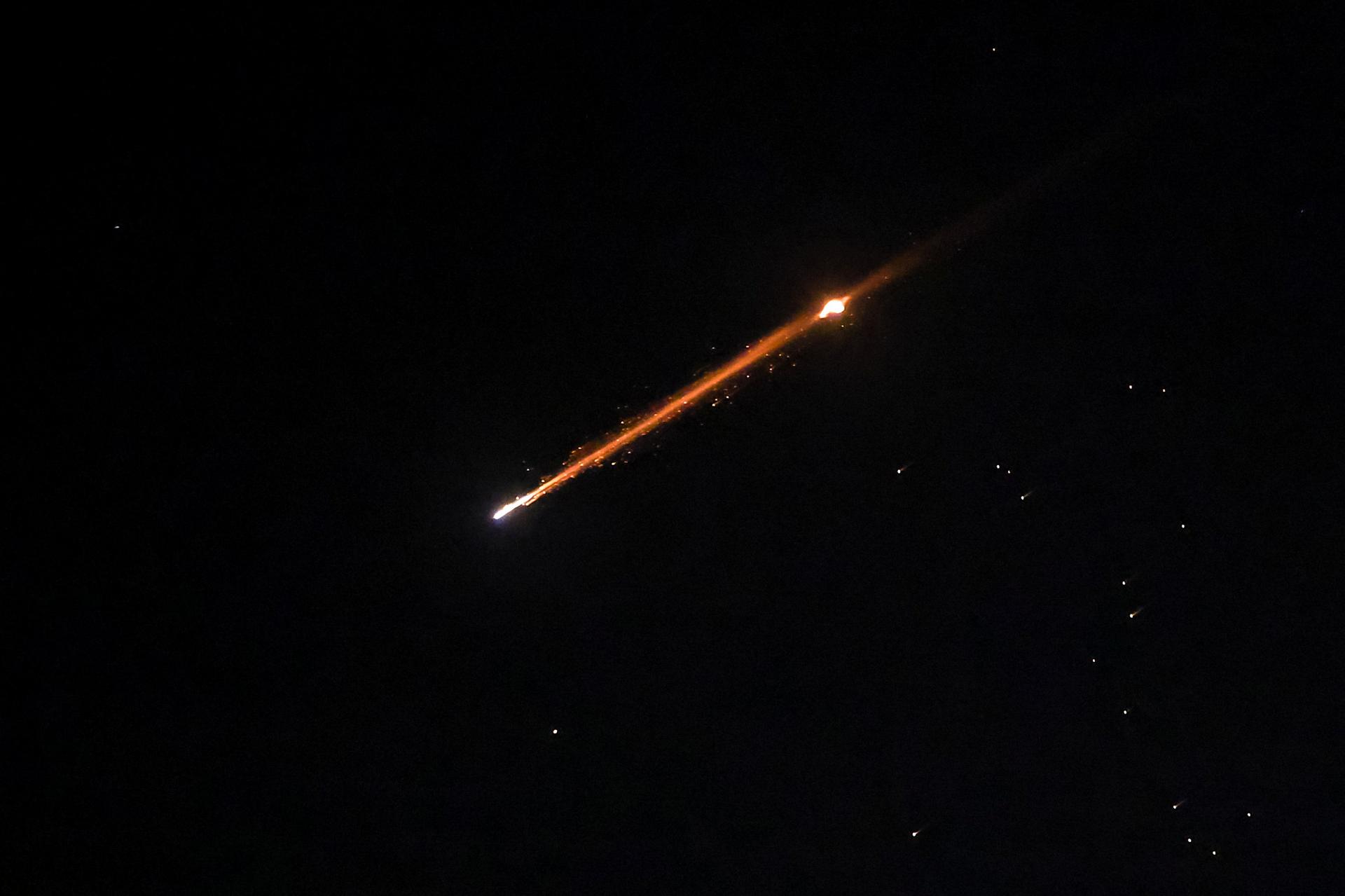
The tail fin of a large missile protrudes from a field, following barrages of missiles from Iran towards Israel, Golan Heights. March 19, 2026. REUTERS/Tyrone Siu |
- Trump drew a parallel between US strikes on Iran and Japan's 1941 attack on Pearl Harbor, as he defended the war he launched against Tehran while meeting Japanese Prime Minister Sanae Takaichi in Washington.
- Office workers toiling with blocked internet. Teenagers continually forced to switch VPNs. Taxi drivers struggling to find their way around Moscow without online navigation.The Kremlin is flexing its muscles over the internet.
- Britain's health authorities said that early laboratory analysis had showed the vaccine being offered to students should protect against the strain of meningitis behind an outbreak in southeast England that has killed two people.
- Reuters Fact Check , a London man who has received phone calls up to 30 times a day after being mistaken online for Robin Gunningham. This after a Reuters made public for the first time documents that confirm Banksy is Robin Gunningham.
|
|
|
Security concerns grow around World Cup in US after stalled funding |
A member of staff with a giant ball on a pitch outside the stadium ahead of the Club World Cup. East Rutherford, New Jersey. REUTERS/Susana Vera/File Photo |
Intelligence briefings reviewed by Reuters have warned of the potential for extremists and criminals to target the World Cup at a time when hundreds of millions of dollars of approved security funds have been delayed, causing US preparations to fall behind. The previously unreported briefings from US federal and state officials and FIFA, the international federation overseeing the World Cup, outlined the risk of extremist attacks, including attacks on transportation infrastructure and civil unrest related to Trump's immigration crackdown. |
|
|
BTS fans photograph portraits of the members at a pop-up exhibition in Seoul, South Korea, March 20, 2026. REUTERS/Kim Soo-hyeon |
Netflix anticipates more opportunities for live events in South Korea, a company official said, as it prepares for its biggest livestream this year: a highly anticipated BTS comeback concert in Seoul. |
|
|
| | | | | Reuters Daily Briefing is sent 5 days a week. Think your friend or colleague should know about us? Forward this newsletter to them. They can also sign up here. Want to stop receiving this email? Unsubscribe here. To manage which newsletters you're signed up for, click here. This email includes limited tracking for Reuters to understand whether you’ve engaged with its contents. For more information on how we process your personal information and your rights, please see our Privacy Statement. Terms & Conditions | | | | | © 2026 Thomson Reuters. All rights reserved.
3 Times Square, New York, NY 10036 | | | |
|
|
|