Bali Coffee - Export Opportunity

Update Tanggal : 27-Sep-2007, 14:04:34
Indonesia berpeluang meningkatkan pangsa pasar kopi di Eropa
Sumber Berita : Sekretariat Jenderal

Pernyataan tersebut dikemukakan oleh Dr. Massimiliano Fabian, Ketua SCAE (Specialty Coffee Association in Europe) dan Dr. Vencenzo Sandalj, Presiden Associazione Caffè Trieste Italia pada acara pertemuan dengan pengurus dan anggota AEKI pusat di Jakarta pada tanggal 14 September 2007 yang lalu. Pertemuan bisnis antara beberapa pengusaha kopi Italia dan pengurus dan anggota AEKI ini juga dihadiri oleh Menteri Perdagangan Mari E. Pangestu, sedangkan Menteri Pertanian diwakili oleh Dirjen P2HP Djoko S. Damardjati.

Dalam perbincangan secara informal dengan pengusaha kopi Italia tersebut, Menteri Perdagangan menyambut baik kedatangan pengusaha kopi Italia ini dan juga pertemuan semacam ini karena dengan melihat langsung perkopian Indonesia maka pengusaha kopi Italia dapat mengetahui potensi dan kemampuan Indonesia dalam menyediakan kopi dunia. Menteri mengharapkan kunjungan ini akan memberikan daya dorong bertambahnya sharing pasar kopi Indonesia untuk kawasan Italia dan Negara sekitarnya. Selanjutnya Menteri juga mendukung agar AEKI ikut berperan aktif pada pameran kopi Espresso bulan Nopember tahun 2008 yang akan datang dan juga mendukung pastisipasi AEKI pada pameran tunggal Indonesia di Trieste pada bulan Nopember 2007 yang akan datang yang mengedepankan thema “buah tropis dan minuman Indonesia�.

Seperti diketahui bahwa kunjungan pengusaha kopi Italia ini merupakan program yang dirancang KBRI Roma bidang Pertanian dengan Asosiasi Kopi Trieste dan SCAE. Sebelum ke Jakarta ronbongan berkunjung ke Palembang dan bertemu dengan Gubernur Sumatera Selatan yang diwakili oleh Sekretaris daerah da serta mengadakan pertemuan bisnis dengan AEKI Sumatera Selatan serta melakukan uji rasa beberapa kopi produksi Sumatera Selatan. Dari hasil uji rasa terhadap 4 sampel kopi dari daerah produksi yang berbeda, menurut mereka kopi Semendo memberikan cita rasa terbaik daripada kopi dari daerah lainnya.

Setelah berkunjung ke Jakarta, tanggal 16 september 2007 rombongan pengusaha kopi Italia ini juga mengunjungi pelabuhan dan pergudangan kopi di Surabaya. Di daerah ini rombongan menyaksikan proses bongkar muat di pelabuhan Tanjung Perak dan juga mengunjungi gudang penyimpanan kopi milik PTPNXII. Rombongan menyatakan kesan positifnya terhadap kualitas kopi yang siap di ekspor oleh PTPN XII. Malam harinya rombongan juga mengadakan pertemuan dengan pengurus dan anggota AEKI Cabang Jatim yang dipimpin langsung oleh ketuanya Bapak Yahmadi. 

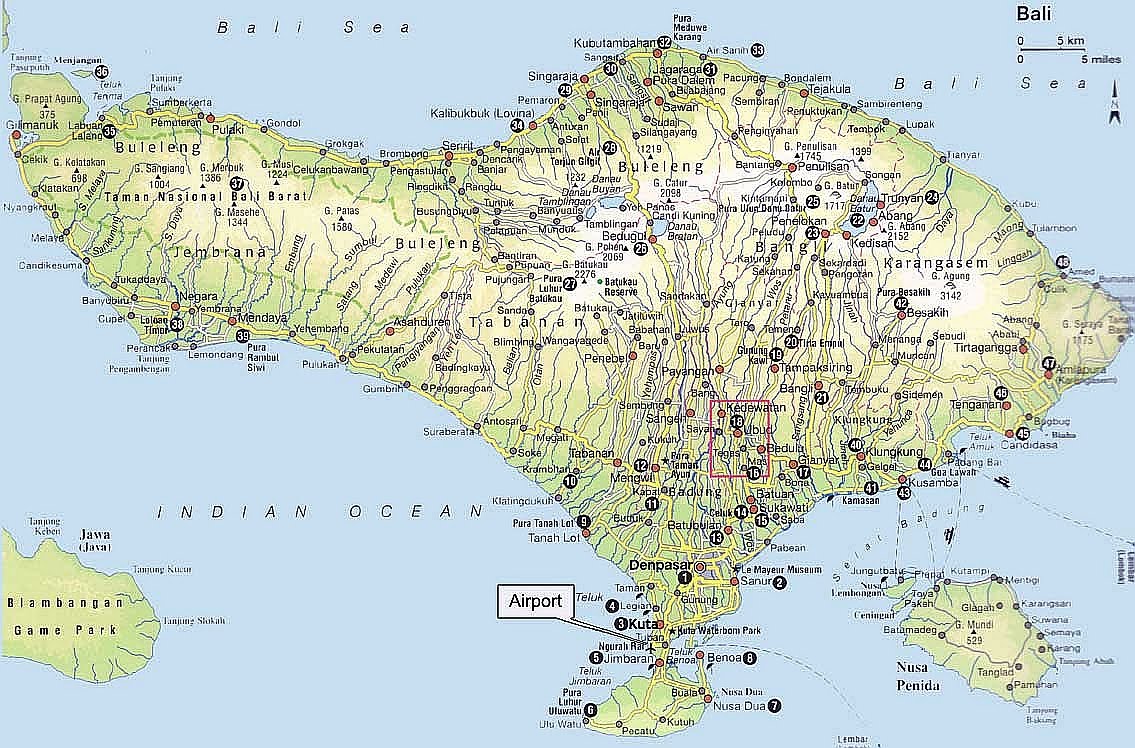
Tanggal 17 September 2007, rombongan menuju Bali dan melihat kebun kopi arabika di daerah Bangli, Kintamani. Di daerah ini rombongan juga melakukan uji rasa kopi antara yang di fermentasi selama 12 jam dan 36 jam. Menurut mereka cita rasa kopi yang dihasilkan dari proses fermentasi selama 12 jam memiliki rasa yang lebih baik dan cocok untuk selera orang Eropa, sementara cita rasa kopi dari kopi yang difermentasi selama 36 jam lebih cocok untuk selera orang Amerika, Jepang dan Australia.

Kepala Dinas Perkebunan Provinsi Bali mengatakan bahwa peluang ekspor ini memotivasi para petani kopi arabika untuk meningkatkan produksinya. Kopi Arabika yang diproduksi di Kintamani memiliki rasa khas kopi kintamani beraroma jeruk. Hal ini dikarenakan budidaya tanaman kopi di daerah kintamani diselingi oleh tanaman jeruk. 

Dilaporkan bahwa tahun 2006, luas areal kopi arabika di Bali seluas 7.511 ha. Areal ini menciut selama lima tahun terakhir. Paa tahun 2002, luas lahan kopi arabika didaerah itu seluas 9.460 hektar. Produksi tahun lalu sebanyak 2.679,058 ton sedangkan tahun ini siperkirakan sebasar 2.067 ton.

Dalam acara perpisahan di pelataran lobby hotel Asthon Resort Bali tempat rombongan menginap, Atase Pertanian KBRI Roma menyatakan bahwa kunjungan ini akan dinilai berhasil jika ada follow up positif dari hasil pembicaraan rombongan ini dengan pihak terkait Indonesia, baik dari aspek bisnis, maupun aspek perbaikan kualitas kopi Indonesia dan juga segi penelitian terkait tanaman kopi. Selanjutnya Attani KBRI Roma juga mengharapkan dukungan Asosiasi Kopi Trieste dan SCAE pada pameran tunggal Indonesia di Trieste pada bulan Nopember 2007 dan juga program pertemuan bisnis kopi antara Indonesia dengan Italia saat pameran kopi espresso bulan Nopember tahun 2008 yang akan datang.

Jenis kopi yang dihasilkan Prop. Bali adalah jenis kopi arabika dan kopi robusta. Tersebar di Kabupaten Jembrana, Badung, Gianyar, Bangli, Karangasem, Buleleng. Daerah terluas pengembangan dan produksi tertinggi kopi Arabika adalah Kab. Bangli
Produksi Tahun Terakhir (2002) : 3,768,420.00 Ton

Eco Friendly Balinese Coffe

05/07/08 12:25
Bali Produksi Kopi Ramah Lingkungan


Denpasar, (ANTARA News) - Bali salah satu sentra pengembangan kopi di Indonesia bertekad meningkatkan mutu matadagangan kopi ramah lingkungan mengikuti permintaan dan selera pasar dunia.

"Petani kopi sejak lama diarahkan menggunakan pupuk kandang dan pembasmi hama secara alami. Dalam proses pemeliharaan mereka menghindari penggunaan pupuk organik dan zat kimia," kata Kepala Dinas Perkebunan Propinsi Bali Ir Gede Ardhana didampingi Kasubdin Program Ir Made Sudarta di Denpasar, Sabtu.

Ia mengatakan, proses produksi kopi yang ramah lingkungan tersebut menjadi salah satu persyaratan dalam menembus pasaran ekspor, sekaligus memenangkan persaingan di era global yang semakin ketat.

Negara-negara maju seperti Jepang, Prancis, Amerika Serikat dan sejumlah negara lainnya, memberlakukan persyaratan bebas pestisida terhadap produk-produk hasil pertanian termasuk kopi yang dikonsumsi warganya.

Petani kopi di sentra pengembangan Kintamani, Kabupaten Bangli dan daerah-daerah pegunungan lainnya di Bali, telah menerapkan proses tersebut dengan baik.

"Petani kopi dalam proses pengembangan tanaman bernilai ekonomis itu dipadukan dengan pemeliharaan sapi, sehingga mereka memperoleh keuntungan ganda," ujar I Gede Ardhana.

Ia menjelaskan, petani kopi dalam keterpaduan tersebut, selain menikmati keuntungan dari penjualan sapi juga memperoleh pupuk kandang untuk menyuburkan tanaman.

Berbagai upaya dilakukan dalam proses budidaya kopi bebas pestisida, termasuk pemberantasan hama dengan menggunakan musuh alami (predator).

Petani kopi yang dipandu petugas lapangan melakukan proses pemeliharaan tanaman kopi ramah lingkungan. Upaya tersebut disertai penerapan petik buah merah, serta pengolahan dengan sistem olah basah.

"Mutu kopi hasil olah basah jauh lebih baik dibanding matadangan yang diolah kering," ujar I Gede Ardhana.

Bali memiliki tanaman kopi seluas 31.831 hektar yang terdiri atas kopi arabika 7.963 hektar dan kopi robusta 23.878 hektar.

Tanaman tersebut selama tahun 2007 menghasilkan 15.647 ton, terdiri atas kopi arabika 3.296 ton dan robusta 12.351 ton.

Dinas Perindustrian dan Perdagangan Propinsi Bali mencatat, matadagangan kopi dan hasil perkebunan unggulan lainnya semakin mendapat posisi yang baik di pasaran ekspor, berkat cita, rasa dan aroma yang khas yang mampu menarik konsumen untuk dinikmatinya.

Ekspor kopi dari Bali selama tahun 2007 senilai 78.704 dolar AS, hasil pengapalan 7,8 ton atau naik 54 persen dari periode sama 2006 yang hanya 50.838 dolar AS atas pengapalan 5,6 ton.(*)

COPYRIGHT © 2008

Arabica vs Robusta: No Contest

by Sandi J. Holland in http://www.ineedcoffee.com/02/arabica/

Though my research on coffee revealed over 30 species of the genus, the major commercial coffee beans come from Arabica and robusta trees.

Arabica (Coffea arabica), named for the Arabs, is the better and more expensive of the two. These trees grow in semitropical climates near the equator, both in the western and eastern hemispheres, at high altitudes. Because ripe Arabica cherries (unroasted beans) fall to the ground and spoil, they must be carefully monitored and picked at intervals, which increases production costs. 
 
Robusta trees (Coffea canephora), which are grown exclusively in the eastern hemisphere, also thrive in equatorial climates, but at low altitudes. Their cherries require less care since they remain on the tree after they ripen. Robusta beans have twice the caffeine of Arabica, but less flavor. Some supermarkets carry Arabica, but most of their brands are robusta. Coffee shops generally use Arabica beans, but because their brews are so strong, I don't enjoy them. I had always been satisfied with the various Maxwell House roasts and blends, until I bought my first bag of Arabica beans, ground them, brewed and drank the elixir. 

To describe the taste of Arabica is difficult without using trite words like smooth and mellow. It has a round taste that is both rich and delicate, with good acidity. This does not refer to an actual degree of acidity, but to the sharp and pleasing taste that is neither sour nor sweet. The difference was evident in my first cup, probably because I had been drinking robusta for years. I was sold, high cost or not, and now I only buy Arabica. 

In fairness, although most robusta coffee is of a lower grade and inferior to Arabica, there is a premium crop that is the top of the line for robusta beans. Premium robusta is primarily used in specialty espresso blends, and is never found in canned coffee. Though it only constitutes 5-15% of the blend, it is used because these beans add body to the taste and make a nice creama in the shot of espresso. This additional body distinguishes the blend in a cappuccino or latte. Premium robusta should only be used for espresso and not other brewing methods. 

Surprisingly, I have found 100% Arabica coffee in Kroger decaffeinated and Eight O'Clock regular, both in bags of whole beans. If your coffee is Colombian, it will probably say Arabica on the side or back of the package, since this country produces nothing else. Guatemala, El Salvador, Tanzania and Kenya also produce all Arabica beans. 

Once when I was a salesperson, a customer asked if we had leather handbags. After our discussion, I stated, "So, you really like leather purses, huh?" She asked, "Have you ever had a leather purse?" I tentatively said that I wasn't sure and she replied, "Well, once you've had one, you will never want anything else." I purchased a leather purse because of her conviction, and she was right.

So, I state with conviction that once you try well-brewed Arabica coffee, you may never want robusta again. It invades the tongue and palate with a delightful taste and divine aroma. You will be encouraged to close your eyes and savor the flavor, just as I describe in my poem Heavenly.

How to Make A Good Coffee

First of all, you have to have something resembling a pot, made of stainless steel. The one with a lid / top-cover. I tried to find such a pot in a local market, but couldn't find one, instead I bought a stainless cup (about a size a bit larger than ordinary mug), with a lid / cover top.

Basic rule number one:
Never mix coffe and sugar before pouring the hot water ! Sugar should only be poured INTO A CUP AND NOT INTO THE POT, after coffee is poured into a cup / or mug.  

1) Put a spoonfull or two of coffee into the pot
2) Pour a hot water - first half
3) Stir well with a spoon for about 30 seconds
4) Pour more hot water - second half
5) Stir well with a spoon for about 30 seconds
6) Cover the pot tightly and leave it for about 5 minutes
7) Ready to be served

You may ask, that simple ? Yes. Why stainless pot ? Because it heats up the coffee (water) better than any other pots. What cup should you use ? Again, better to use small stainless mug, instead of ceramic. It preserves the heat longer. Remember, cowboys by the campfire, they don't use ceramic cups.

By the way, coffee (black, no sugar, no milk) goes perfectly with donuts, even better with hazelnut muffins, nyam nyam. 

Bali Arabica

Article Source: http://EzineArticles.com/?expert=Alun_Evans

More on Alun Evans: http://www.merdekacoffee.com/index.php?88681.4745143056


Bali is known by many names to those who have visited the island. Many Indonesians refer to this slice of paradise as “Pulau Dewa” or “Island of the gods”. Since October 2002 the island has seen a marked downturn in the number of foreign tourists arriving to enjoy the scenic, cultural and religious diversity found here. Hopefully with a peaceful election campaign behind us, Bali will again see tourists returning in numbers.

Our visit to Bali in March was not a holiday, but rather a visit to look at the cooperative growing system for Arabica found in the highland areas of central Bali. Traditionally Balinese coffee was of the robusta variety. This is the coffee that many tourists visiting the island experience and love. The origins of Robusta here can be traced back to the beginning of the 20th century or earlier. Commercial Colonial plantations never made an impact in Bali because the Dutch did not get any degree of control over the island until the 1900’s. By this time the big plantations in Java, Sumatra and Sulawesi were already well established. The Robusta in Bali most likely came via traders from Ampenan in Lombok. The growing conditions in Bali are ideal for coffee trees, and small-scale production quickly spread in the cooler, higher altitude areas of the Island.

In recent times, with Robusta prices falling, Arabica has been planted in several areas of the Island. Some of these plantings are in commercial plantations, however the bulk are beans grown by small-holders in a number of villages saddling the volcanic peaks. Our visit was to examine the drying and processing facilities for this mountain grown Bali Arabica.

As in the rest of the coffee world, the small-holders make up the bulk of the growers, but receive little real financial reward for their efforts. Our concern is always to look for a way in which to help these small growers to improve their picking, drying and sorting processes in order for them to be able to market their coffee to the specialty coffee market outside of Indonesia. In most cases the growers are more than happy to listen to ideas on how to improve the finished quality of their product. In Bali the yields from the trees in raw cherries is very good. Most coop growers are uncertified organic- the costs of pesticides against the price for the finished bean do not make sense. The small holders almost universally follow the dry method of processing the beans. This involves laying the fruit out under the sun in large, flat concrete drying pens. The coffee is raked regularly to ensure the drying proceeds at a constant pace. Prior to drying the cooperative removes poor quality cherries- usually berries that are not ripe, have evidence of surface fungal diseases or berries that have been damaged by birds or other pests. After drying and removal of the remaining mucilage, the beans are again sorted. This time beans are sorted based on whether there is evidence of damage by borer, discoloration, black beans or split and broken beans. This is the extent of sorting- there is no screen sizing done by the cooperatives at origin, as normally the beans are on-sold to big producers who then sort further.

We like the early season greens that we saw in the highlands of Bali. The colours and firmness of the bean are good, as was the general quality. Test roasting resulted in us deciding that the dry-processed bean had some characteristics reminiscent of the lower altitude Java Arabica beans. A very mellow, slightly honey-dew taste…..We are looking forward to later in the year when we will be in Bali for the harvest of the bulk of the 2004 crop.
Alun Evans is a New Zealander living and working in sepcialty coffee in Indonesia. He has lived here since 1998 and is working towards a goal of promoting and devloping sustainable coffee in Indonesia.

Article Source: http://EzineArticles.com/?expert=Alun_Evans

More on Alun Evans: http://www.merdekacoffee.com/index.php?88681.4745143056

Robusta vs. Arabica

Taken from:

http://kaffee.netfirms.com/aboutme.htm
http://kaffee.netfirms.com/Coffee/robustavsarabica.html

Robusta vs. Arabica

There are two basic categories into which all species of coffee trees can be sorted. Although there are several varieties of each—each variety having its own character—this division into two large categories is useful for understanding the difference between a gourmet cup of coffee and an ordinary cup.

High quality blends consist of 100% Arabica beans.

Lower quality, cheaper blends may have some proportion of Robusta beans, or they may consist entirely of Robusta.

Arabica beans produce a superior taste in the cup, being more flavorful and complex than their Robusta counterparts. Robusta beans tend to produce a more bitter brew, with a musty flavor and less body. This distinction being made, you can see why high quality coffees should consist of 100% Arabica beans.

So why use Robusta at all?

Well, there are several reasons these beans are grown and used. First of all, we have the economical concerns driving the farmer to grow the crop.

Robusta coffee trees produce their first crops within about two to three years of being planted. Arabica trees require about four to five years to produce any fruit.

So the farmer has an inducement to grow the faster growing variety to take advantage of upswings in the price of coffee. Also, the Robusta coffee tree can grow under a larger variety of environmental conditions than can the Arabica. It is more tolerant of cold and grows well in a wider range of altitudes. Second, roasters buy the beans because they are generally cheaper than the Arabica beans. They can be sold to less discriminating consumers in the pre-roasted, pre-ground, pre-staled cans of supermarket “coffee”. They can be brewed and freeze-dried to make instant “coffee” without worrying about degrading an already questionable flavor (sorry to use the quotes again, I just can’t help myself). They can be used in blends with Arabica beans to make the blend cheaper for the roaster while still being able to make the claim that the blend includes Arabica beans. Finally, Robusta beans are higher in caffeine than Arabica beans and fuel the addiction many of us already suffer from. Of course, all of what I write here is a gross oversimplification but since it’s all I know about these beans, it will have to do.

But I haven't quite exhausted my knowledge yet. I do know a little about Arabica beans and how they differ from Robusta.

Arabica beans grow more slowly than Robusta but demand a higher price on the coffee commodity market. They are more limited in terms of where they can be grown, demanding a very precise temperature range and annual rainfall. I don’t know the exact range or I would tell you what it is. Also, they tend to do best, and produce the best bean, at higher altitudes. In fact, high altitude beans carry an extra premium because they are thought to contain more of the substances that make coffee so complexly flavorful than beans grown at lower altitudes. Perhaps this is because they grow more slowly the higher up the mountain they are planted.

Varieties of Arabica beans are grown all over the world and the different flavor characteristics produced by each growing region are distinctive.

Flavor can vary within a growing region due to factors such as weather, altitude, soil type, soil richness and whether there are shade trees on the finca (or coffee plantation). In addition, a coffee’s flavor can be affected by the processing methods used to separate the beans from the fruit. It is these varietal characteristics of the Arabica bean that makes it such a sought after product and many of the finer small roasters cup (that is, roast and taste) batches of coffee before purchasing it. For all of these reasons, the Arabica bean is good coffee.

But hold on, you say, don't the French and the Italians use Robusta beans in their fine blends of coffee? Actually, yes they do, and I'm delighted that you pointed it out. This is where we leave the realm of the coffee drinker who believes there is one true way to caffeinated salvation and enter the realm of the coffee agnostic.

I know intellectually that coffee I don't like can be good, but I'm just not sure I believe it.

In France (so I have heard) they sometimes use a blend of beans that is 55% Arabica and 45% Robusta. To each his own. This is also the country where they willingly add roasted chicory root as an adulterant.

They like it that way so for them it’s an acceptable blend of coffee. The Italians, too, use Robusta in their blends, probably because of its purported ability to improve the crema head on a cup of espresso.

I don’t know what blend is most common in Italy but I have read that a 10% inclusion of Robusta can have the desired effect on the crema of your espresso.

Robusta countries:

Nigeria, Cameroon, Gabon, Democratic Republic of Congo, Uganda, Angola, Madagascar, Sri Lanka, Sumatra, Java, Bali, Timor, Borneo, Vietnam, and Celebes.

Arabica countries:

Columbia, Venezuela, Ecuador, Peru, Bolivia, Paraguay, Guyana, Suriname, French Guiana, Mexico, Guatemala, El Salvador, Honduras, Nicaragua, Costa Rica, Panama, Cuba, Haiti, Dominican Republic, Puerto Rico, Jamaica, Hawaii, Yemen, Ethiopia, Kenya, Tanzania, Mozambique, Zimbabwe, Zambia, and Papua New Guinea. 

Combination countries:

Brazil and India.

Bali - Robusta or Arabica ?

Who cares ? As long as it tastes like coffee, it's coffee allright. Coffee should naturally be bitter, otherwise it's not coffee, but sugar.

Bedugul Coffee "looks" like cocoa powder, the colour is brownish rather than black. I always presumed that Bali coffee would taste like Lampung (Sumatra) coffee. But then, Lampung coffee and Medan (Mandhailing) coffee are different, even though both comes from Sumatra.

Now you can imagine the coffee of Bali. It's roasted on a wood stove fireplace. It tastes different. Better !