About Bedugul Coffee
Tastes somewhere between heaven and earth. Pure Bali Robusta Coffee. Probably the best robusta coffee in the world. Perhaps it is not widely known, but some coffee are blended. Not just arabica with robusta (which is very common), but sometimes a coffee is blended with corn or rice.
What we have is pure robusta coffee from Bali. Hand picked, hand sorted, traditionally roasted and ground by the natives of Bali.
While many people prefer arabica, and many insist that arabica is more superior to robusta, we dare to say that our Bedugul Robusta is not just another robusta, but special robusta with a mild and soft taste, yet bitter, and simply different from any other coffee in the world.
If there is a phrase "don't die before you see Bali", we have a phrase for our coffee, "once you taste it, you'll live forever".
Nevertheless we also supply high grade and best quality arabica from Sumatra (Siborong borong), Aceh (Berg en Dal variety), and Toraja (Sulawesi).
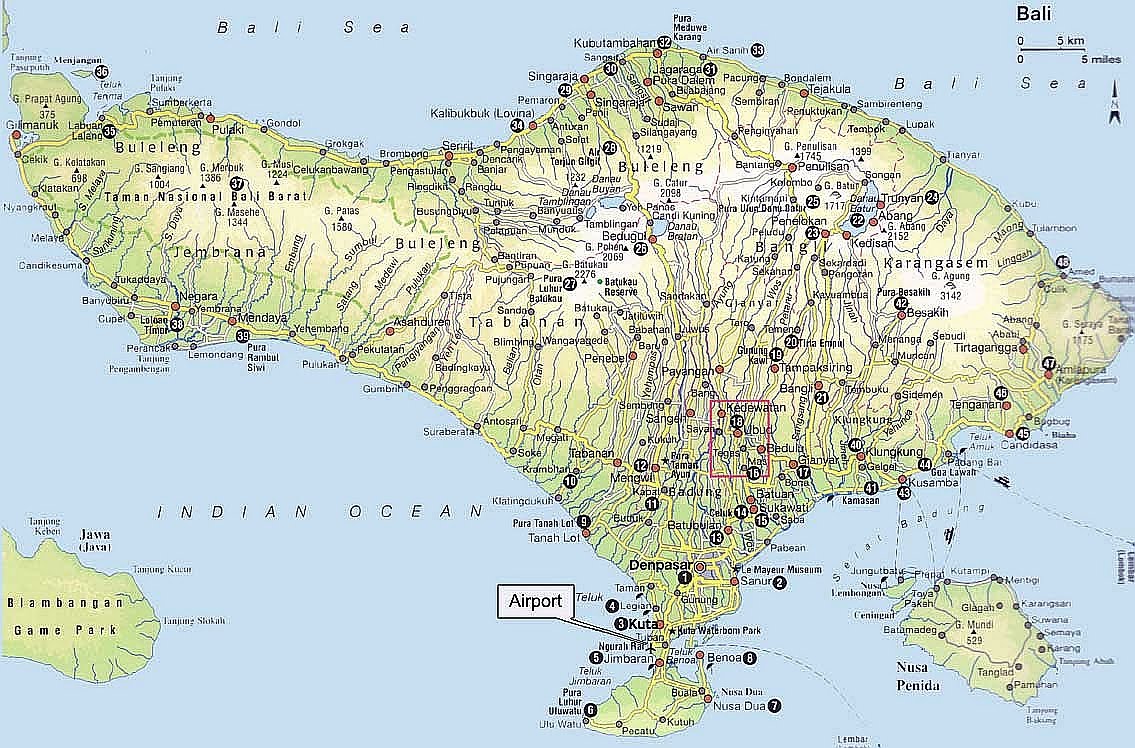
Our brand name is Bedugul Coffee, a beautiful highland in the northern part of Bali, Indonesia.
Fact: the name Bedugul is not as famous as Kintamani for coffee products ... so ... we just (made it up) picked up the name, because we love the place, famous for its iconic temple by the lake Bratan, the Pura Ulun Danu. About our Bali Robusta Coffee ? We didn't made it up, it is truly MADE IN BALI.
If you want to know more about Bedugul, the town, read here.
Contact
Name: Putranto S. a.k.a. Raja Kelana
E-mail: putrantos@gmail.com
Facebook Cause : Bedugul Coffee
Whatsapp: +62 838 7437 3403
What we have is pure robusta coffee from Bali. Hand picked, hand sorted, traditionally roasted and ground by the natives of Bali.
While many people prefer arabica, and many insist that arabica is more superior to robusta, we dare to say that our Bedugul Robusta is not just another robusta, but special robusta with a mild and soft taste, yet bitter, and simply different from any other coffee in the world.
If there is a phrase "don't die before you see Bali", we have a phrase for our coffee, "once you taste it, you'll live forever".
Nevertheless we also supply high grade and best quality arabica from Sumatra (Siborong borong), Aceh (Berg en Dal variety), and Toraja (Sulawesi).
Our brand name is Bedugul Coffee, a beautiful highland in the northern part of Bali, Indonesia.
Fact: the name Bedugul is not as famous as Kintamani for coffee products ... so ... we just (made it up) picked up the name, because we love the place, famous for its iconic temple by the lake Bratan, the Pura Ulun Danu. About our Bali Robusta Coffee ? We didn't made it up, it is truly MADE IN BALI.
If you want to know more about Bedugul, the town, read here.
Contact
Name: Putranto S. a.k.a. Raja Kelana
E-mail: putrantos@gmail.com
Facebook Cause : Bedugul Coffee
Whatsapp: +62 838 7437 3403
Photo Gallery of our coffee plantation in Bali