Original Story
Coffee lovers may soon need to dig deeper into their pockets to enjoy a cup of coffee in coffee shops ranging from global brands such as Starbucks, or even traditional street side warung kopi (coffee shop).
This is because negotiators from 193 nations are looking to adopt the Nagoya Protocol on access and benefit sharing of genetic resources. This protocol, if adopted, would allow countries to claim royalties on their genetic resources, including coffee.
The problem is that coffee is not native to Indonesia, the world’s fourth-largest producer of the bean. It was initially brought here from Brazil or South Africa by the Dutch.
The country of origin of genetic resources, including coffee, will therefore be among the hottest topics on the agenda at an international conference on biodiversity in Nagoya, Japan, next month, Hary Alexander, one of 70 negotiators Indonesia will send to the conference, told The Jakarta Post on Saturday.
After years of intensive talks, negotiators remain at odds on benefit sharing in the Nagoya Protocol.
Developed nations, which have long been users of genetic resources from developing countries, want benefit sharing calculations to take effect from when the Nagoya protocol is adopted.
Some countries proposed the benefit sharing be calculated before 1992, when the UN Convention on Biological Diversity was set up.
Indonesia, a country with one of the highest levels of biodiversity in the world, has proposed that all calculations on benefit sharing be made after 1992.
“If the conference agrees on calculations made before 1992, we have to pay high royalties, including for coffee, palm oil or sugarcane,” Hary said. “The royalties would be paid to the country of origin of the genetic resource.”
He said the genetic sources of coffee, palm oil or sugarcane were from Brazil or South Africa but that “many of our businesspeople remain unaware about the threat”.
Indonesia is struggling to adapt to the protocol. The benefit sharing could be in the form of money, capacity building or technology transfers.
Environment Ministry official Utami Andayani said many foreign researchers took samples of genetic resources from plants, animals or microorganisms from Indonesia, home to 10 percent of the world’s flowering plant species and 12 percent of all mammals.
Many of Indonesia’s species — and more than half of the archipelago’s plant species — are endemic, not found anywhere else on Earth.
But with massive forest loss from illegal logging, forest conversion and forest fires, 140 species of birds and 63 species of mammals are categorized as threatened.
Indonesia's Sulawesi September coffee exports rise
Indonesia's Sulawesi September coffee exports rise
JAKARTA (October 06, 2010) : Indonesia's coffee bean exports from the main growing island of Sulawesi rose 9.2 percent in September from a year ago, indicating adequate supplies despite unusually heavy rains, trade data showed on Tuesday. An increase in supply from Indonesia could further soften cocoa prices which have been under pressure because of a possible bumper harvest in African producers.
Liffe cocoa prices hit a one-year low last month on improved West African crop prospects. Indonesia shipped 18,849 tonnes of cocoa beans in September, up from 17,264 tonnes in the same month a year ago, trade data showed, helped by government efforts to boost production.
"Production from Central Sulawesi is quite high, after the cocoa programme was launched," said Herman Agam, chairman of the Indonesia Cocoa Association, or Askindo, for the Central Sulawesi branch. "That allow us to have more beans to meet demand," he said. Central Sulawesi shipped 53 percent of Sulawesi's cocoa bean exports in September. Indonesia, the world's third-biggest cocoa producer after Ivory Coast and Ghana, exports beans mostly to grinders in Malaysia, the United States, and Brazil.
Exports for January-September rose 8.65 percent to 210,328.44 tonnes, from 193,575.95 tonnes in the same period a year ago, indicating that a recent monthly export tax applied on cocoa beans has not slowed overseas shipment. The Indonesian government slapped an export tax on locally grown cocoa beans in April in an effort to encourage the retention of fermented beans for local grinding. It was the first time cocoa beans have been subjected to an export tax, set at 5 percent for October.
JAKARTA (October 06, 2010) : Indonesia's coffee bean exports from the main growing island of Sulawesi rose 9.2 percent in September from a year ago, indicating adequate supplies despite unusually heavy rains, trade data showed on Tuesday. An increase in supply from Indonesia could further soften cocoa prices which have been under pressure because of a possible bumper harvest in African producers.
Liffe cocoa prices hit a one-year low last month on improved West African crop prospects. Indonesia shipped 18,849 tonnes of cocoa beans in September, up from 17,264 tonnes in the same month a year ago, trade data showed, helped by government efforts to boost production.
"Production from Central Sulawesi is quite high, after the cocoa programme was launched," said Herman Agam, chairman of the Indonesia Cocoa Association, or Askindo, for the Central Sulawesi branch. "That allow us to have more beans to meet demand," he said. Central Sulawesi shipped 53 percent of Sulawesi's cocoa bean exports in September. Indonesia, the world's third-biggest cocoa producer after Ivory Coast and Ghana, exports beans mostly to grinders in Malaysia, the United States, and Brazil.
Exports for January-September rose 8.65 percent to 210,328.44 tonnes, from 193,575.95 tonnes in the same period a year ago, indicating that a recent monthly export tax applied on cocoa beans has not slowed overseas shipment. The Indonesian government slapped an export tax on locally grown cocoa beans in April in an effort to encourage the retention of fermented beans for local grinding. It was the first time cocoa beans have been subjected to an export tax, set at 5 percent for October.

Science Matters: Shady practices are good when it comes to coffee
Original Story
Coffee is the second most traded commodity in the world, after oil. And as with oil, the massive scale of production necessary to meet our insatiable demand for coffee results in an enormous ecological footprint. According the UN Food and Agriculture Organization, more than seven million tonnes of coffee will be produced worldwide this year.
The thirst for coffee is growing rapidly in developing countries, like Indonesia, where coffee beans are grown and exported. And while citizens of wealthier nations are cutting their coffee consumption, people in Africa and South America are drinking more - thanks to increasing household incomes, population growth, changing tastes, and successful marketing. The U.S.-based Starbucks coffee chain has even announced that it will open a shop in post-conflict Algeria, with plans to expand to 30 stores in Africa over the next two years.
With so many people drinking coffee (63 per cent of Canadians drink it daily, on average 2.6 cups per day), growers have industrialized production to meet demand. They've done this by establishing high-yield monoculture plantations, spraying toxic pesticides to control unwanted insects and plant pathogens, and even developing genetically modified varieties that allow traditionally shade-grown coffee, like arabica, to be grown under more economically productive conditions in partial or full sunlight.
These industrial agricultural practices have proven successful in ensuring a steady supply of beans to world markets, but the environmental costs associated with much of the coffee consumed worldwide is too high, according to many scientists who study the industry and its impacts.
Most coffee sold in Canada is grown in open plantations on land that was once tropical or subtropical forest. Since the early 1970s, huge swaths of natural rain forest have been cleared in coffee-producing nations such as Mexico, as the industry has shifted from traditional shade production to "sun-grown". A sun-grown variety such as robusta can be planted at more than three times the density of arabica shade coffee. Because of this, most of the mass-produced and instant coffees you see on supermarket shelves are grown in this way.
According to Bridget Stutchbury, an internationally renowned bird expert who has studied the impacts of coffee production on neotropical birds, "Sun coffee is not a self-sufficient ecosystem - it can only be grown with large amounts of fertilizer, fungicides, herbicides and pesticides. There are no trees to shade the coffee plants and soil from the downpours of tropical rains; soil erosion and leaching is a big problem in sun coffee farms."
On top of that, sun-coffee plantations provide little habitat for sensitive species, such as neotropical migratory birds like the hooded warbler, which are threatened because of the loss of their rain-forest habitat.
Troubled by the considerable environmental and social footprint of their favourite beverage, many consumers are looking for coffee that has been certified as organic, Fair Trade, or otherwise sustainably grown. But with so many choices, and confusing and difficult-to-verify environmental claims by businesses, experts recommend that you choose coffee that has been triple certified: organic, Fair Trade, and "shade grown".
Although it won't replace natural forests, growing coffee in shade using agro-ecosystem techniques does provide extensive understory and canopy cover from a diversity of tropical trees, providing a refuge for butterflies, birds, and other wildlife. Studies have shown that shade coffee plantations can provide habitat approaching natural conditions. For instance, a study in the El Triunfo Biosphere Reserve in southern Mexico found that the number of migratory bird species inhabiting a heavily shaded coffee plantation (30 to 35 species) approached that of a natural rain forest (35 to 40 species). In contrast, sun coffee plantations were used by fewer than five species.
As with food labelled organic or Fair Trade, consumers need a credible certification system to guarantee that their cup of coffee has been produced in a way that doesn't harm bird and other wildlife habitat. One credible certification system for shade coffee is the "Bird Friendly" eco-label, which is awarded to producers who follow a rigorous audit and verification process by the Smithsonian Migratory Bird Center.
Switching to certified shade-grown coffee for your morning cup of joe won't save the planet on its own, but it is one more simple way to lessen your environmental impact.
---
David Suzuki is a scientist, broadcaster, author, and chair of the David Suzuki Foundation. Faisal Moola is the director of science at the foundation (www.davidsuzuki.org).
Coffee is the second most traded commodity in the world, after oil. And as with oil, the massive scale of production necessary to meet our insatiable demand for coffee results in an enormous ecological footprint. According the UN Food and Agriculture Organization, more than seven million tonnes of coffee will be produced worldwide this year.
The thirst for coffee is growing rapidly in developing countries, like Indonesia, where coffee beans are grown and exported. And while citizens of wealthier nations are cutting their coffee consumption, people in Africa and South America are drinking more - thanks to increasing household incomes, population growth, changing tastes, and successful marketing. The U.S.-based Starbucks coffee chain has even announced that it will open a shop in post-conflict Algeria, with plans to expand to 30 stores in Africa over the next two years.
With so many people drinking coffee (63 per cent of Canadians drink it daily, on average 2.6 cups per day), growers have industrialized production to meet demand. They've done this by establishing high-yield monoculture plantations, spraying toxic pesticides to control unwanted insects and plant pathogens, and even developing genetically modified varieties that allow traditionally shade-grown coffee, like arabica, to be grown under more economically productive conditions in partial or full sunlight.
These industrial agricultural practices have proven successful in ensuring a steady supply of beans to world markets, but the environmental costs associated with much of the coffee consumed worldwide is too high, according to many scientists who study the industry and its impacts.
Most coffee sold in Canada is grown in open plantations on land that was once tropical or subtropical forest. Since the early 1970s, huge swaths of natural rain forest have been cleared in coffee-producing nations such as Mexico, as the industry has shifted from traditional shade production to "sun-grown". A sun-grown variety such as robusta can be planted at more than three times the density of arabica shade coffee. Because of this, most of the mass-produced and instant coffees you see on supermarket shelves are grown in this way.
According to Bridget Stutchbury, an internationally renowned bird expert who has studied the impacts of coffee production on neotropical birds, "Sun coffee is not a self-sufficient ecosystem - it can only be grown with large amounts of fertilizer, fungicides, herbicides and pesticides. There are no trees to shade the coffee plants and soil from the downpours of tropical rains; soil erosion and leaching is a big problem in sun coffee farms."
On top of that, sun-coffee plantations provide little habitat for sensitive species, such as neotropical migratory birds like the hooded warbler, which are threatened because of the loss of their rain-forest habitat.
Troubled by the considerable environmental and social footprint of their favourite beverage, many consumers are looking for coffee that has been certified as organic, Fair Trade, or otherwise sustainably grown. But with so many choices, and confusing and difficult-to-verify environmental claims by businesses, experts recommend that you choose coffee that has been triple certified: organic, Fair Trade, and "shade grown".
Although it won't replace natural forests, growing coffee in shade using agro-ecosystem techniques does provide extensive understory and canopy cover from a diversity of tropical trees, providing a refuge for butterflies, birds, and other wildlife. Studies have shown that shade coffee plantations can provide habitat approaching natural conditions. For instance, a study in the El Triunfo Biosphere Reserve in southern Mexico found that the number of migratory bird species inhabiting a heavily shaded coffee plantation (30 to 35 species) approached that of a natural rain forest (35 to 40 species). In contrast, sun coffee plantations were used by fewer than five species.
As with food labelled organic or Fair Trade, consumers need a credible certification system to guarantee that their cup of coffee has been produced in a way that doesn't harm bird and other wildlife habitat. One credible certification system for shade coffee is the "Bird Friendly" eco-label, which is awarded to producers who follow a rigorous audit and verification process by the Smithsonian Migratory Bird Center.
Switching to certified shade-grown coffee for your morning cup of joe won't save the planet on its own, but it is one more simple way to lessen your environmental impact.
---
David Suzuki is a scientist, broadcaster, author, and chair of the David Suzuki Foundation. Faisal Moola is the director of science at the foundation (www.davidsuzuki.org).
La Nina, Heavy Rains Hurt Production of Commodities
http://www.thejakartaglobe.com/business/la-nina-heavy-rains-hurt-production-of-commodities/397167
Jakarta. Unusually heavy rainfall brought on by the La Nina weather phenomenon have hammered Indonesia in recent months, leading to a pronounced drop in resource extraction and agricultural output.
The unusually wet weather has resulted in projections of slumping export volumes of tin, coal, coffee, palm oil and other commodities.
The Trade Ministry said on Monday that tin shipments from Indonesia, the world’s largest exporter of the metal, may drop 19 percent this year, adding to signs of a trade slump that has helped make tin this year’s best performing base-metal by price.
Exports could plunge to about 80,000 metric tons in 2010, down from 99,287 tons in 2009, said Alberth Tubogu, export director for mining and industry products at the Trade Ministry.
His prediction is in line with an August forecast from the Energy Ministry for a 20 percent decline in output.
According to the Trade Ministry, tin shipments from Indonesia in the first seven months of this year fell 12 percent from a year earlier to 52,133 tons.
Alberth said “unpredictable weather” has affected tin production in Bangka-Belitung Islands, the province that accounts for most of the nation’s production.
“Some producers may use their inventory to increase sales now that the price is gaining, but I doubt it will help much,” Alberth said.
“I spoke with exporters last week and they said they don’t have a lot of tin stockpiles — especially the small smelters — after heavy rain reduced ore supplies.”
Macquarie Group warned this month that global tin supply may lag behind usage “through next year at least,” bolstering prices.
Accordingly, tin futures on the London Metal Exchange have rallied to their highest price since July 2008, driven by the fall in supplies from Indonesia, lower stockpiles and rising demand.
Tin, used as packaging and solder, has advanced about 40 percent in London this year, beating second-placed nickel’s 27 percent jump.
The contract, which reached a record $25,500 a ton in May 2008, peaked at $23,800 on Sept. 17 and traded at $23,702 at 4:29 p.m. in Singapore on Monday after gaining 0.4 percent.
Meanwhile, Rachim Kartabrata, executive secretary of the Indonesian Coffee Exporters Association (AEKI), told the Jakarta Globe last week that coffee exports this year would drop by about 15 percent, from 400,000 tons to 340,000 tons.
Rachim said prolonged rain in South Sumatra, a center of coffee production, was partly to blame, as were lower levels of stock left over from last year.
Suharto Honggokusumo, executive director of the Indonesian Rubber Producers Association (Gapkindo), told the Globe that the heavy rain had limited the production of rubber tappers.
But he said export levels would hold steady thanks to a 24 percent surge in exports during the first half of this year compared to the same period last year.
The Meteorology, Climatology and Geophysics Agency (BMKG) said last month that the country was experiencing its most extreme weather on record, including unusually heavy rain linked to La Nina. La Nina is expected to persist through early 2011.
The Agriculture Ministry said the extreme weather had affected agricultural output, especially in Java, of melons, mangoes and mushrooms.
The Indonesian Coal Mining Association (APBI) and the Indonesian Palm Oil Producers Association (Gapki) said last month that rain had hit their commodities.
The APBI said national output was likely to miss its target, while Gapki said output could fall 10 percent this year.
Reuters, JG
Jakarta. Unusually heavy rainfall brought on by the La Nina weather phenomenon have hammered Indonesia in recent months, leading to a pronounced drop in resource extraction and agricultural output.
The unusually wet weather has resulted in projections of slumping export volumes of tin, coal, coffee, palm oil and other commodities.
The Trade Ministry said on Monday that tin shipments from Indonesia, the world’s largest exporter of the metal, may drop 19 percent this year, adding to signs of a trade slump that has helped make tin this year’s best performing base-metal by price.
Exports could plunge to about 80,000 metric tons in 2010, down from 99,287 tons in 2009, said Alberth Tubogu, export director for mining and industry products at the Trade Ministry.
His prediction is in line with an August forecast from the Energy Ministry for a 20 percent decline in output.
According to the Trade Ministry, tin shipments from Indonesia in the first seven months of this year fell 12 percent from a year earlier to 52,133 tons.
Alberth said “unpredictable weather” has affected tin production in Bangka-Belitung Islands, the province that accounts for most of the nation’s production.
“Some producers may use their inventory to increase sales now that the price is gaining, but I doubt it will help much,” Alberth said.
“I spoke with exporters last week and they said they don’t have a lot of tin stockpiles — especially the small smelters — after heavy rain reduced ore supplies.”
Macquarie Group warned this month that global tin supply may lag behind usage “through next year at least,” bolstering prices.
Accordingly, tin futures on the London Metal Exchange have rallied to their highest price since July 2008, driven by the fall in supplies from Indonesia, lower stockpiles and rising demand.
Tin, used as packaging and solder, has advanced about 40 percent in London this year, beating second-placed nickel’s 27 percent jump.
The contract, which reached a record $25,500 a ton in May 2008, peaked at $23,800 on Sept. 17 and traded at $23,702 at 4:29 p.m. in Singapore on Monday after gaining 0.4 percent.
Meanwhile, Rachim Kartabrata, executive secretary of the Indonesian Coffee Exporters Association (AEKI), told the Jakarta Globe last week that coffee exports this year would drop by about 15 percent, from 400,000 tons to 340,000 tons.
Rachim said prolonged rain in South Sumatra, a center of coffee production, was partly to blame, as were lower levels of stock left over from last year.
Suharto Honggokusumo, executive director of the Indonesian Rubber Producers Association (Gapkindo), told the Globe that the heavy rain had limited the production of rubber tappers.
But he said export levels would hold steady thanks to a 24 percent surge in exports during the first half of this year compared to the same period last year.
The Meteorology, Climatology and Geophysics Agency (BMKG) said last month that the country was experiencing its most extreme weather on record, including unusually heavy rain linked to La Nina. La Nina is expected to persist through early 2011.
The Agriculture Ministry said the extreme weather had affected agricultural output, especially in Java, of melons, mangoes and mushrooms.
The Indonesian Coal Mining Association (APBI) and the Indonesian Palm Oil Producers Association (Gapki) said last month that rain had hit their commodities.
The APBI said national output was likely to miss its target, while Gapki said output could fall 10 percent this year.
Reuters, JG
What’s Behind Your Cup of Joe?
Ah, coffee. What would we do without you? For centuries, people have worshiped the brew. It has long been such a prominent feature in social life that it has been memorialized in music, poems, literature, and film. For many in the United States, coffee, anyway you brew it, is an important part of a daily routine. It is habitual–perhaps even ritual. It is a stimulating narcotic, experienced as a need, and can produce emotional sensations. It is often used as a reward to mark goals achieved–”Just ten more TPS reports and I can go for a coffee break!” It is a place to go, a state of mind, a social occasion, and a source of comfort for over half the adult population of the U.S. on a daily basis.
Full (original) story Here
Full (original) story Here
Life & Style » Travel July 26, 2010 Bali - A place in time DEEPA ALEXANDER
FROM: http://www.thehindu.com/life-and-style/travel/article534678.ece

Where terraced fields swoop down on sandy beaches, and almond-eyed dancers enthrall in ancient temples
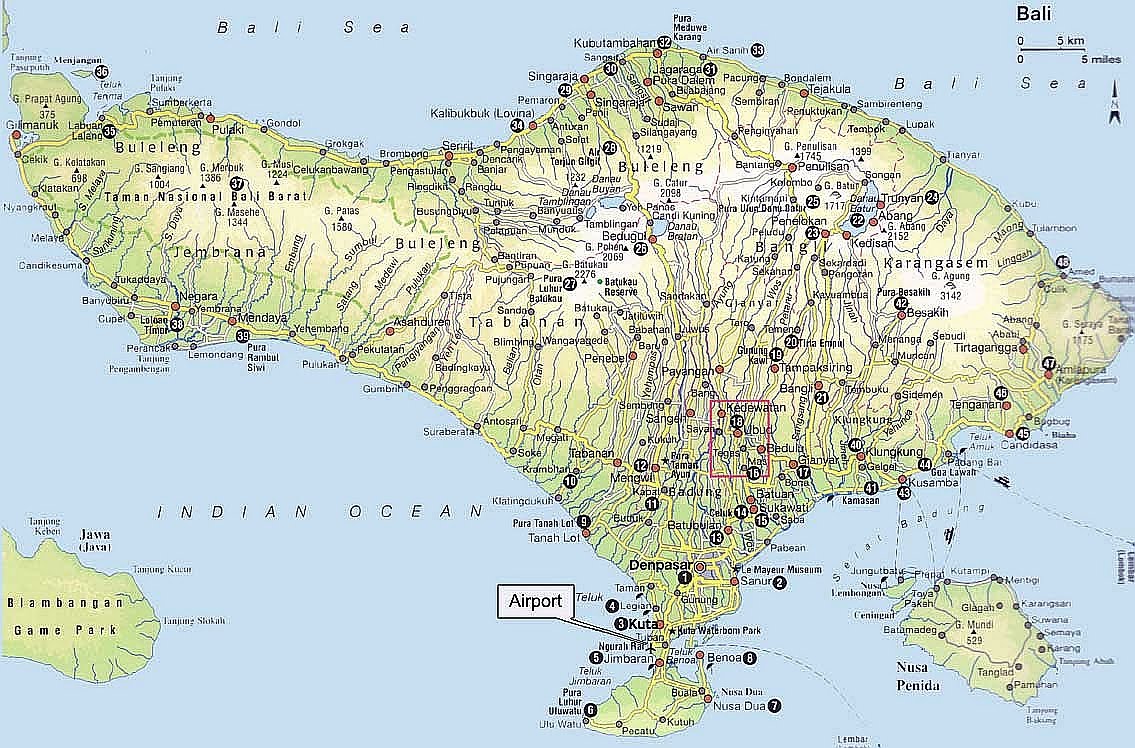
The lingering fragrance of frangipani…I wake up to it. The garland that greeted my arrival at Bali now adorns a deep rattan chair. My room at the plush Hotel Aston Kuta overlooks the Indian Ocean and the island's green landscape with its overwhelming Hindu aura and perpetual holiday vibe.
I head to the sea, and dig my feet into the warm sand to watch surfers ride the waves. Sarongs paint Kuta beach in all colours, and clouds skirt the edges of the water. Kuta, just around the bend from Ngurah Rai airport, is packed with pubs, posh restaurants, malls, hotels and money-changers. This is a part of Bali that resembles a music video.
FULL STORY

Where terraced fields swoop down on sandy beaches, and almond-eyed dancers enthrall in ancient temples
The lingering fragrance of frangipani…I wake up to it. The garland that greeted my arrival at Bali now adorns a deep rattan chair. My room at the plush Hotel Aston Kuta overlooks the Indian Ocean and the island's green landscape with its overwhelming Hindu aura and perpetual holiday vibe.
I head to the sea, and dig my feet into the warm sand to watch surfers ride the waves. Sarongs paint Kuta beach in all colours, and clouds skirt the edges of the water. Kuta, just around the bend from Ngurah Rai airport, is packed with pubs, posh restaurants, malls, hotels and money-changers. This is a part of Bali that resembles a music video.
FULL STORY
Something different, aside from coffe: Bali's Travel Boom: Eat, Pray, Love Tourism
FROM: http://www.time.com/time/printout/0,8816,2005158,00.html
On a still road in Pengostanan Village in Bali's central foothills, a dull, blue-stained signboard points toward the house of the medicine man. Ketut Liyer is a ninth generation healer of undecided age — "maybe 90?" he shrugs — who has never been off the Indonesian island. But the dozen or so women who crowd his compound this afternoon, their chatter in competition with the peeping of caged birds suspended from clay-roofed pavilions, have come from all over. One by one they approach the small, weathered Balinese seer with the brilliant, near-toothless smile, and have him interpret their palms, their legs, sometimes even their spines.
Today, the ladies all are "very lucky." They will each live to be one hundred and ten. In fact, most days visitors to Ketut can expect the same reading, with minor variations, but few mind. Ketut Liyer is not just a healer famed among locals, but a leading character in American author Elizabeth Gilbert's 2006 memoir Eat, Pray, Love, and his bamboo mat is an almost necessary stop on Bali's increasingly popular spiritual tourist circuit.(See a story on Bali vs. Phuket.)
At the outset of the book, which has now sold over seven million copies worldwide, the medicine man predicts that Gilbert — newly divorced, disconsolate and on assignment in Indonesia — will return to Bali and teach him English. In what follows, she escapes suburban New York and over one year indulges the senses (and above all the stomach) in Italy; quiets the mind at a West Indian ashram; and, revisiting Bali, finds new love in a Brazilian jewelry exporter. If 170-odd weeks on the New York Times Best Seller List is anything to go on, weary Americans can identify with the need to regroup on unfamiliar ground. Now, in advance of the August U.S. release of a film adaptation starring Julia Roberts, that need has given rise to a new customer for Balinese hotels, travel agencies and tour operators: the spiritual seeker.
Full Story
On a still road in Pengostanan Village in Bali's central foothills, a dull, blue-stained signboard points toward the house of the medicine man. Ketut Liyer is a ninth generation healer of undecided age — "maybe 90?" he shrugs — who has never been off the Indonesian island. But the dozen or so women who crowd his compound this afternoon, their chatter in competition with the peeping of caged birds suspended from clay-roofed pavilions, have come from all over. One by one they approach the small, weathered Balinese seer with the brilliant, near-toothless smile, and have him interpret their palms, their legs, sometimes even their spines.
Today, the ladies all are "very lucky." They will each live to be one hundred and ten. In fact, most days visitors to Ketut can expect the same reading, with minor variations, but few mind. Ketut Liyer is not just a healer famed among locals, but a leading character in American author Elizabeth Gilbert's 2006 memoir Eat, Pray, Love, and his bamboo mat is an almost necessary stop on Bali's increasingly popular spiritual tourist circuit.(See a story on Bali vs. Phuket.)
At the outset of the book, which has now sold over seven million copies worldwide, the medicine man predicts that Gilbert — newly divorced, disconsolate and on assignment in Indonesia — will return to Bali and teach him English. In what follows, she escapes suburban New York and over one year indulges the senses (and above all the stomach) in Italy; quiets the mind at a West Indian ashram; and, revisiting Bali, finds new love in a Brazilian jewelry exporter. If 170-odd weeks on the New York Times Best Seller List is anything to go on, weary Americans can identify with the need to regroup on unfamiliar ground. Now, in advance of the August U.S. release of a film adaptation starring Julia Roberts, that need has given rise to a new customer for Balinese hotels, travel agencies and tour operators: the spiritual seeker.
Full Story
Subscribe to:
Posts
(
Atom
)